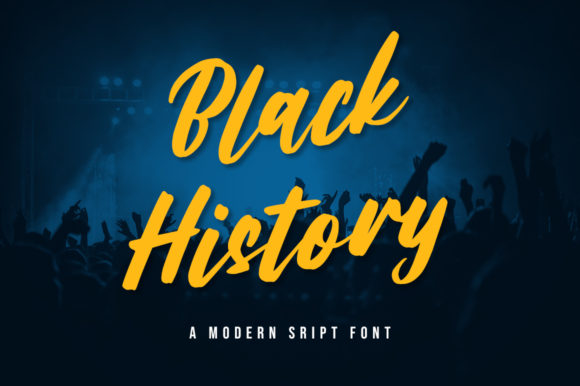
Black History: A Charming Script Font for Editorial Design
When it comes to creating visually appealing and engaging content, the right font can make all the difference. Black History, a premium script font, offers a unique blend of charm and elegance, making it an excellent choice for various editorial design needs. Whether you're designing a magazine cover, crafting a blog header, or adding a touch of sophistication to your ebook, Black History is a versatile and stylish option.
The Visual Appeal of Black History
Black History stands out with its handwritten style, which exudes both warmth and refinement. The flowing, cursive lines and subtle flourishes give it a personal, yet polished look. This script font is not just beautiful; it's also highly legible, making it suitable for a wide range of design applications. Its elegant personality makes it ideal for projects that require a touch of class, such as wedding invitations, thank you cards, and high-end branding materials.
Blog Headers and Magazine Covers
For bloggers and magazine designers, Black History can be a powerful tool for capturing attention. Use it for blog headers to create a welcoming and sophisticated look. On magazine covers, this display font can add a touch of luxury and draw readers in with its elegant presence. Pair it with a clean sans serif font for body text to maintain readability while keeping the overall design cohesive.
Ebook Titles and Newsletter Graphics
Creating an ebook or newsletter? Black History can elevate your titles and graphics, making them more engaging and memorable. For ebook titles, this creative font can set the tone for the entire publication, giving it a professional and refined appearance. In newsletters, use it for section headings or featured quotes to add visual interest and break up the text, enhancing the reader experience.
Quote Layouts and Chapter Openers
Incorporating quotes into your content can be a great way to highlight key points and add depth to your writing. Black History is perfect for quote layouts, as its handwritten style adds a personal and authentic feel. Use it for chapter openers in ebooks or print publications to create a seamless transition and set the mood for the upcoming content. This typeface can also be used for pull quotes in articles, drawing the reader's eye and emphasizing important messages.
Supporting Visual Hierarchy and Publication Identity
One of the key benefits of using Black History in your editorial designs is its ability to support a strong visual hierarchy. By using this script font for titles, subtitles, and section headings, you can guide the reader's attention and create a clear structure. This is especially useful in long-form content like ebooks and magazines, where a well-organized layout is crucial for readability and engagement.
Consistency is also vital in establishing a strong brand identity. Using Black History across different elements of your publication, such as logos, headers, and accent typography, can help create a cohesive and recognizable look. This consistency not only enhances the visual appeal but also reinforces your brand's personality and professionalism.
Practical Considerations for Readability and Usage
While Black History is a visually striking script font, it's important to consider its readability in different contexts. For screen reading and PDF exports, ensure that the font size is large enough to be easily readable. For mobile layouts, test the font at various sizes to ensure it remains legible on smaller screens. When using Black History for print, check the resolution and quality to ensure that the fine details of the font are preserved.
Font Pairing and Licensing
To create a balanced and harmonious design, consider pairing Black History with complementary fonts. A classic serif font can provide a traditional and elegant feel, while a modern sans serif font can offer a clean and contemporary look. Experiment with different combinations to find the one that best suits your project's tone and style.
Before using Black History in commercial projects, such as ebooks, templates, or digital downloads, make sure to check the licensing terms. Most commercial fonts come with specific usage rights, so it's essential to understand any limitations or requirements. This will help you use the font legally and ethically, ensuring that your publication maintains a professional and trustworthy image.
Conclusion
Black History is a versatile and elegant script font that can significantly enhance the visual appeal and readability of your editorial designs. Whether you're working on a lifestyle blog, a recipe ebook, a wedding guide, or a coaching workbook, this typeface offers a perfect blend of charm and sophistication. By using it thoughtfully and considering practical aspects like readability and licensing, you can create stunning and engaging content that resonates with your audience.