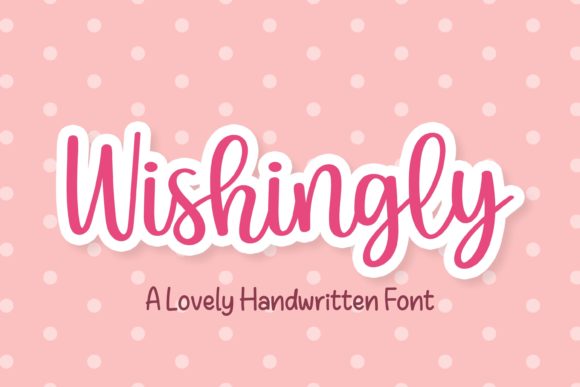
Wishingly: A Handwritten Font for Elegant Web Design
As a web designer, I'm always on the hunt for fonts that can bring a unique and elegant touch to my projects. Recently, I stumbled upon Wishingly, a flowing handwritten font that has quickly become a favorite in my design toolkit. This typeface is not just visually appealing; it also adds a distinct and timeless style to any digital experience.
Visual Characteristics and Personality of Wishingly
Wishingly is a premium font that exudes elegance and charm. Its flowing, cursive strokes give it a handwritten feel, making it perfect for adding a personal and artistic touch to your web designs. The font's graceful curves and well-balanced proportions make it highly versatile, suitable for a wide range of creative and professional projects.
The personality of Wishingly is both modern and classic. It brings a sense of sophistication and warmth, making it ideal for brands that want to convey a friendly yet professional image. Whether you're designing a boutique online store, a coaching website, or a creative portfolio, Wishingly can help set the right tone and create a memorable first impression.
Testing Wishingly in Real Web Layouts
I recently had the opportunity to test Wishingly in a real web layout, specifically for a boutique online store. The first thing I noticed was how beautifully it rendered in the hero section. The flowing lines and elegant touch of the font made the product names and headlines stand out, creating a visually engaging and inviting entrance to the site.
On mobile screens, Wishingly performed exceptionally well. The font's clean and legible design ensured that even on smaller devices, the text remained easy to read. This is crucial for maintaining a seamless user experience across all screen sizes. The responsive design of the site adjusted the font size and spacing perfectly, ensuring that the text remained clear and impactful.
Using Wishingly in Different Web Elements
Wishingly is incredibly versatile and can be used in various web elements to enhance the overall design. Here are some practical examples:
- Hero Titles and Headlines: Use Wishingly for the main titles and headlines to create a strong visual impact. Its elegant and flowing style makes it perfect for grabbing the user's attention and setting the tone for the rest of the page.
- Call-to-Action (CTA) Buttons: Incorporate Wishingly into CTA buttons to add a touch of elegance and personality. Just make sure the button text is short and clear to maintain readability and effectiveness.
- Logo Text and Branding: If you're looking to create a logo or brand identity, Wishingly can be a great choice. Its unique and timeless style can help establish a strong and memorable brand presence.
- Decorative Accents and Supporting Typography: Use Wishingly for decorative accents and supporting typography, such as subheadings, quotes, or special sections. This can add a touch of creativity and visual interest to your design.
Readability and User Experience
While Wishingly is a beautiful and elegant font, it's important to consider its readability, especially in different contexts. For instance, using Wishingly for long body copy or small navigation text might not be the best choice due to its decorative nature. In these cases, it's better to pair Wishingly with a clean and simple sans serif font for optimal readability and user experience.
For dark backgrounds, Wishingly works well when used with a light color, ensuring that the text stands out and is easy to read. Conversely, on light backgrounds, a darker color for the font will provide the necessary contrast. When using Wishingly over images, especially in hero sections or banners, make sure the background is not too busy, so the text remains legible and the overall design is balanced.
Font Pairing and Web Design Best Practices
To create a harmonious and effective design, it's essential to pair Wishingly with complementary fonts. A good rule of thumb is to use a simple and clean sans serif font for body text and other functional elements. This combination ensures that the overall design is both visually appealing and easy to read. Some popular sans serif fonts that pair well with Wishingly include Arial, Helvetica, and Roboto.
For a more editorial and sophisticated look, you can also consider pairing Wishingly with a simple serif font. This combination can work well for blog headers, article titles, and other content-driven sections of your website. Serif fonts like Merriweather, Lora, and Georgia can complement Wishingly while adding a touch of classic elegance.
Final Considerations for Web Designers
Before using Wishingly in your web projects, there are a few things to keep in mind. First, check the availability of webfont formats, such as WOFF and WOFF2, to ensure smooth integration and fast loading times. Additionally, review the included styles, alternates, and weights to see if they meet your design needs. Multilingual support is also important, especially if your website caters to an international audience.
Lastly, make sure to check the commercial font licensing terms. This is crucial if you plan to use Wishingly on client projects, online stores, landing pages, or any other commercial applications. Proper licensing ensures that you can use the font legally and without any restrictions.
In conclusion, Wishingly is a fantastic addition to any web designer's toolkit. Its elegant and flowing style, combined with its versatility and readability, make it a top choice for creating visually stunning and engaging web experiences. Whether you're working on a boutique online store, a coaching website, or a creative portfolio, Wishingly can help you achieve a professional and memorable design.